European Accessibility Act (EAA): what changes in mid-2025?
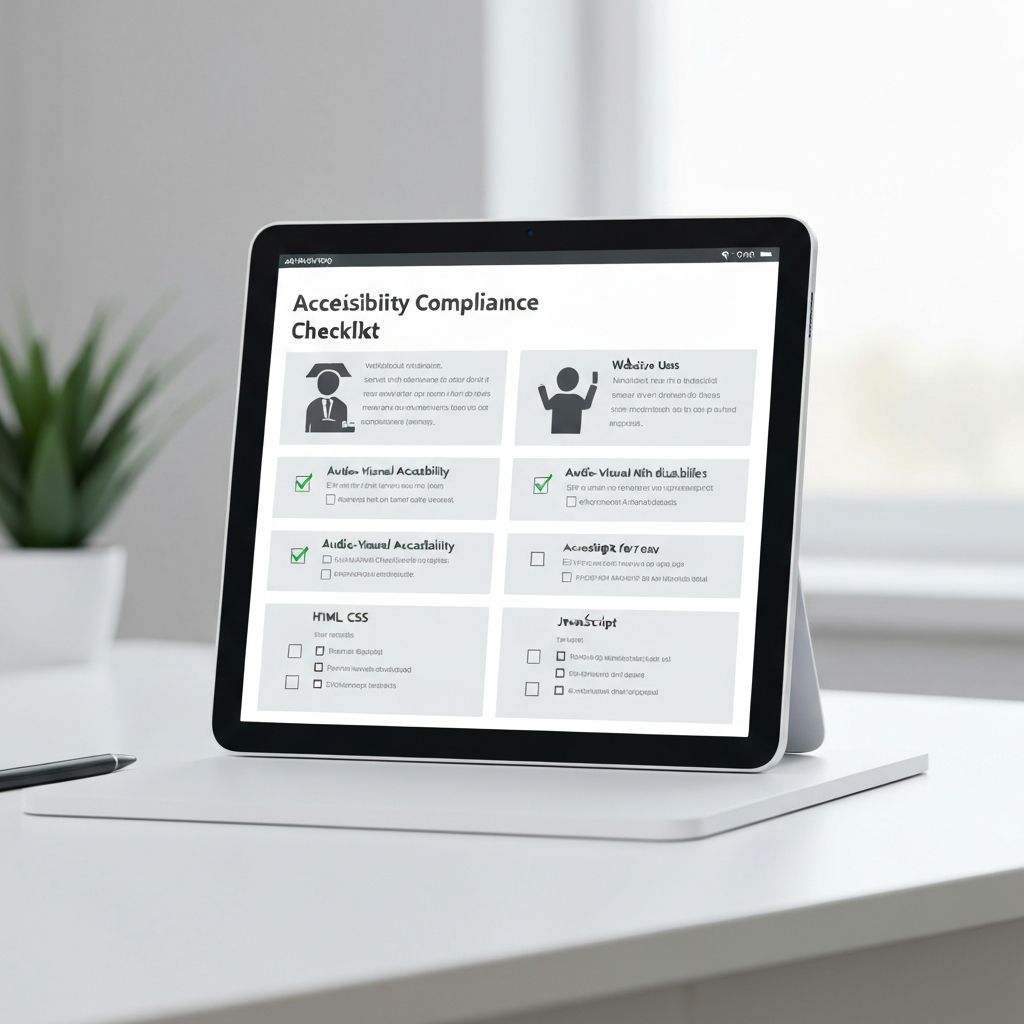
The European Accessibility Act (EAA) becomes enforceable from June 28, 2025. For many organizations, this means digital accessibility moves from "good practice" to a legal requirement.
What is the EAA?
The EAA is an EU directive that harmonizes accessibility requirements for products and services, including websites, e-commerce, banking services, e-books, telecom services, and more. In most cases, organizations demonstrate compliance through EN 301 549, which references WCAG 2.2 AA for web content.
Who is in scope?
- Commercial providers of digital services covered by the directive
- E-commerce platforms and online customer portals
- Financial service providers and payment flows
- Transport, telecom, and digital media service providers
Micro-enterprises (less than 10 full-time employees or < €2 million in annual turnover) may have limited exemptions depending on local implementation, but accessibility is still strongly advised from both legal and business perspectives.
What does this mean for your website?
- Keyboard access for all critical flows
- Sufficient contrast and clear focus indicators
- Correct labels, alt text, and semantic structure
- Accessible forms, errors, and authentication flows
Practical compliance roadmap
- Run a baseline scan with Toegankelijk360 AI QuickScan
- Perform manual expert testing for uncovered criteria via the WCAG 2.2 EM method
- Prioritize critical barriers in top user journeys
- Retest and document evidence in a compliance dossier
- Publish and maintain an accessibility statement
Why act now?
Accessibility improvements reduce legal risk, improve conversion, and make your digital services usable for more people. Start with a Toegankelijk360 AI scan, then move to a full expert audit for high-confidence EAA readiness.