Inclusive Design: Building for Everyone
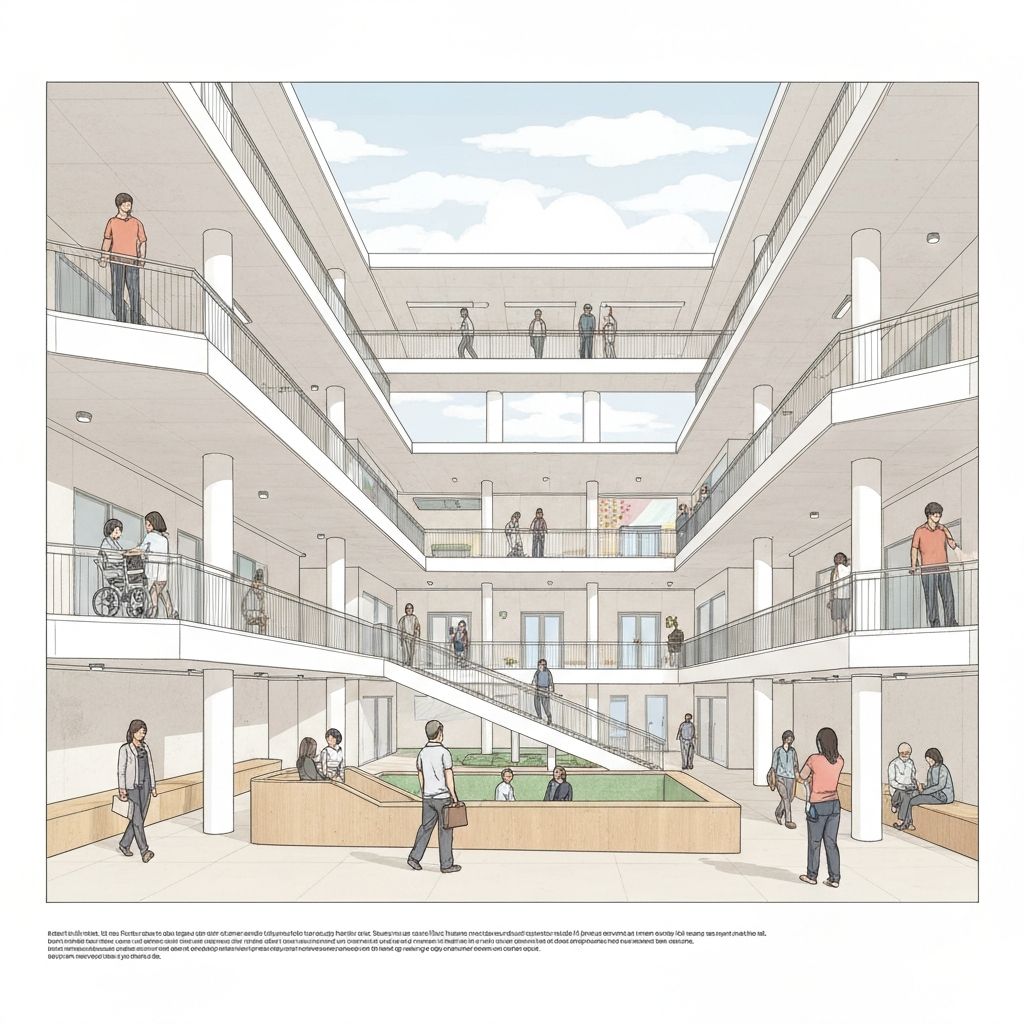
Inclusive design goes beyond accessibility compliance — it's about creating experiences that work for the widest possible range of people.
What is Inclusive Design?
Inclusive design is a methodology that considers the full spectrum of human abilities and experiences from the start, rather than treating accessibility as an afterthought.
The Three Core Principles
- Recognize exclusion — Exclusion happens when we solve problems using our own biases. Recognize when designs exclude people by considering different abilities, situations, and contexts.
- Learn from diversity — People with diverse abilities are the real experts in adapting to diversity. Involve them throughout the design process.
- Solve for one, extend to many — Solutions for people with permanent disabilities often benefit everyone. Curb cuts help wheelchair users, people with strollers, and cyclists alike — the "curb cut effect".
Inclusive Design in Practice
- Design for flexibility — Support both mouse and keyboard, provide text and visual cues, and let users customize their experience.
- Provide clear information — Use plain language, clear navigation, and consistent patterns. Never rely solely on color to convey meaning.
- Consider context — People use products in bright sunlight, noisy environments, and one-handed. Design for these realities, not just ideal conditions.
- Include diverse testers — Test with users who have different abilities, not just your typical user persona.
The Business Case
Over 1 billion people worldwide have a disability. Features designed for accessibility improve the experience for everyone: good contrast helps in bright sunlight; captions help in noisy environments; clear language helps non-native speakers. Inclusive design reduces legal risk, expands your market, and drives innovation through constraint.
Getting Started
Include diverse perspectives in your design process from day one. Make accessibility a definition-of-done criterion. Use tools like Toegankelijk360 AI to audit early and often.